 By Wyatt
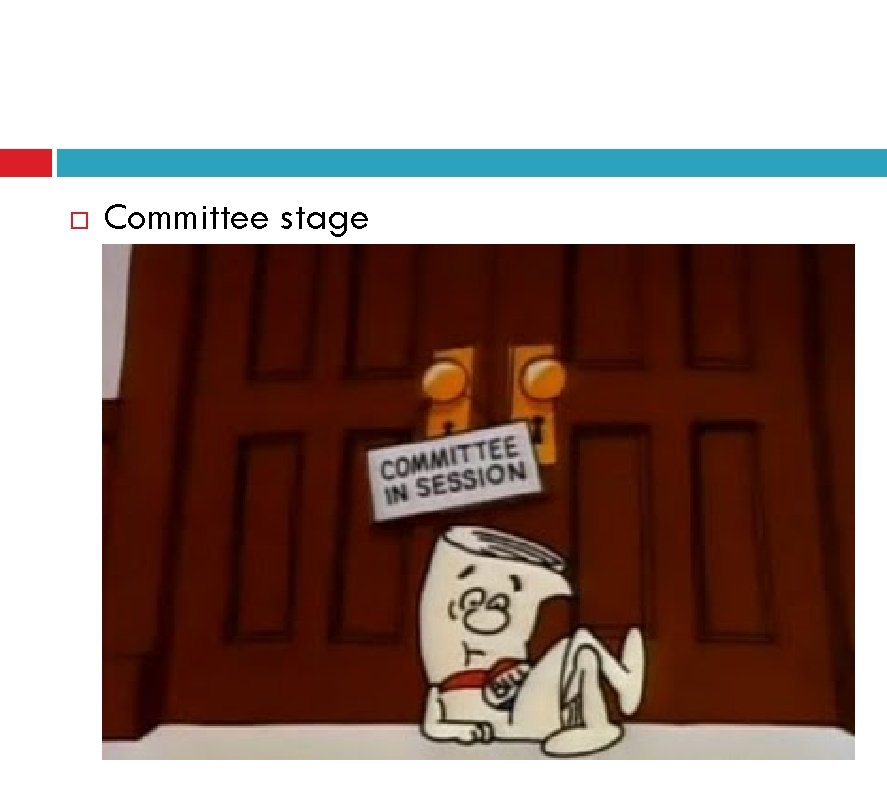
What does it mean if a bill dies in committee? – A bill “dying in committee” is a common occurrence in the legislative process, and it essentially means that a proposed law doesn’t get any further consideration. Think of it like a movie that never gets past the script stage. Lots of ideas get tossed around, but not all of them make it to the big screen.
This usually happens when a committee—a smaller group of lawmakers—doesn’t feel the bill is ready or important enough to be brought to the full legislative body for a vote. There are many reasons for this. Maybe the bill is too controversial, lacks widespread support, or faces significant opposition. Perhaps the committee members feel it needs more work, more revisions, or simply more public input before it’s ready for a vote.
Why does this happen? A few key factors often contribute to a bill’s demise:
- Lack of support: If not enough members of the committee are convinced the bill is a good idea, it’s unlikely to advance.
- Poor timing: Sometimes, a bill might be introduced at a time when the legislature is focused on other pressing issues.
- Significant opposition: A strong counter-argument or lobbying effort against a bill can kill it in committee.
- Procedural issues: Sometimes, technical or procedural hurdles can prevent a bill from moving forward.
Think of it like this: Imagine a proposal for a new park. A committee might discuss it, but if they feel the design is flawed, the funding isn’t secure, or the location isn’t ideal, the proposal could simply be shelved. That’s essentially what happens when a bill dies in committee. It just… doesn’t get voted on.
Famous Entity Related: Think of the legislative process like a bustling marketplace. Ideas are constantly being proposed, but only the strongest, most supported, and most relevant ones get a chance to become laws. Imagine it like a Hollywood studio. Lots of scripts are written, but only a few become movies. The committee acts as a gatekeeper, deciding which proposals have the potential to succeed.
 Lucas
Lucas  Isabella
  st
st